Knee Pain When Bending: Common Causes and How to Fix It
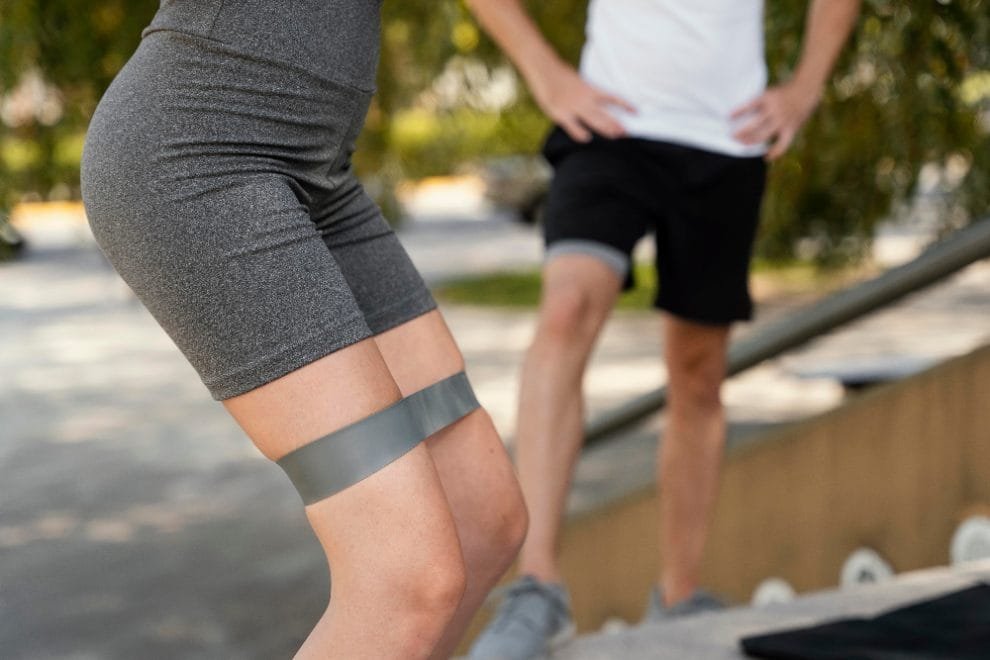
Knee pain when bending can be frustrating and debilitating, affecting your ability to perform daily activities like walking, climbing stairs, or even sitting. Understanding the causes of this type of pain and implementing effective solutions is crucial to restoring mobility and preventing further complications. This guide will explore the common reasons behind knee pain when bending and provide actionable steps to address it.
Common Causes of Knee Pain When Bending
Several factors can contribute to knee pain when bending. These causes range from temporary issues like muscle strain to chronic conditions requiring medical intervention.
- Injuries:
- Ligament Tears: Injuries such as ACL or MCL tears can result from sudden twists or impacts, leading to sharp pain when bending the knee.
- Meniscus Tears: The meniscus, a cartilage cushion in the knee joint, can tear due to overuse or trauma. This condition often causes pain, swelling, and a locking sensation during bending.
- Overuse and Strain:
- Activities involving repetitive knee movements, like running or jumping, can strain the muscles and tendons around the joint, causing inflammation and pain.
- Patellar tendinitis, also known as jumper’s knee, is a common overuse injury that leads to pain at the front of the knee, especially when bending.
Identifying the exact cause of your knee pain is the first step in finding an effective solution.
Diagnosing Knee Pain When Bending
Proper diagnosis is essential to determine the best course of treatment for knee pain. A combination of self-assessment and professional evaluation can help pinpoint the issue.
- Self-Assessment:
- Pain Location: Determine whether the pain is at the front, back, or sides of the knee.
- Pain Type: Is it sharp, dull, or throbbing? Does it worsen during specific activities?
- Swelling or Stiffness: Note if the knee feels swollen or stiff, as these are signs of inflammation or injury.
- Professional Diagnosis:
- A physical exam and imaging tests like X-rays or MRIs can identify structural problems, such as ligament tears or cartilage damage.
- Blood tests may be recommended to rule out conditions like arthritis or infections.
Accurate diagnosis ensures targeted treatment, reducing the risk of further complications.
Non-Surgical Solutions for Knee Pain When Bending
Most cases of knee pain when bending can be treated with non-surgical methods. These approaches focus on relieving pain, reducing inflammation, and strengthening the joint.
- RICE Method:
- Rest: Avoid activities that exacerbate the pain to allow the knee to heal.
- Ice: Apply ice packs for 15-20 minutes every few hours to reduce swelling.
- Compression: Use a knee brace or wrap to provide support and limit movement.
- Elevation: Keep the knee elevated above heart level to minimize swelling.
- Physical Therapy:
- Strengthening exercises, such as straight leg raises and hamstring curls, can build the muscles supporting the knee joint.
- Stretching routines improve flexibility and reduce stiffness, making bending less painful.
- Medications:
- Over-the-counter pain relievers, such as ibuprofen or acetaminophen, can help manage discomfort.
- Topical creams or gels may provide localized pain relief without systemic side effects.
Non-surgical treatments are effective for most mild to moderate cases of knee pain and should be explored before considering more invasive options.
Exercises to Relieve Knee Pain When Bending
Specific exercises can alleviate knee pain and improve joint health over time. Incorporate these into your routine to strengthen the muscles around the knee and enhance flexibility.
- Wall Sits:
- Stand with your back against a wall and slide down until your knees are at a 90-degree angle.
- Hold the position for 15-30 seconds, then return to standing.
- Benefits: Strengthens quadriceps and reduces pressure on the knee joint.
- Calf Stretches:
- Place your hands on a wall and step one foot back, keeping the heel flat on the floor.
- Lean forward slightly to stretch the calf, holding for 20-30 seconds per leg.
- Benefits: Reduces tightness in the calves, which can impact knee alignment.
- Hamstring Curls:
- Stand behind a chair for balance and slowly lift one heel toward your buttocks.
- Lower the leg back down and repeat 10-15 times per leg.
- Benefits: Strengthens the hamstrings, providing better knee support.
Perform these exercises 2-3 times per week for the best results. Always stop if you experience sharp pain or discomfort.
Preventing Knee Pain When Bending
Prevention is key to avoiding recurrent knee pain. Implementing simple lifestyle changes can protect your knees and reduce the risk of injury.
- Maintain a Healthy Weight:
- Excess weight puts additional pressure on the knees, accelerating cartilage wear and tear.
- Losing even 10% of body weight can significantly reduce pain and improve joint function.
- Wear Supportive Footwear:
- Shoes with proper arch support and cushioning help align the body and minimize stress on the knees.
- Avoid wearing high heels or unsupportive shoes for extended periods.
- Modify Activities:
- Opt for low-impact exercises like swimming, cycling, or yoga to stay active without straining your knees.
- Use proper techniques during workouts or sports to prevent overuse injuries.
By adopting these habits, you can maintain healthy knees and minimize the chances of pain when bending.
When to Seek Medical Attention
While home remedies and lifestyle changes are effective for many cases of knee pain, some situations require professional intervention. Knowing when to see a doctor can prevent minor issues from becoming major problems.
- Red Flags:
- Severe pain that doesn’t improve with rest or medication.
- Swelling, redness, or warmth around the knee, which may indicate infection or inflammation.
- Locking or instability in the knee joint, making it difficult to walk or stand.
- Persistent Issues:
- Pain lasting more than a few weeks despite treatment.
- Difficulty bearing weight or completing daily activities due to knee pain.
If you experience these symptoms, consult an orthopedic specialist for a thorough evaluation and treatment plan.
Final Thoughts
Knee pain when bending can significantly impact your quality of life, but it doesn’t have to be permanent. By understanding the common causes, exploring non-surgical treatments, and incorporating preventative measures, you can alleviate pain and improve knee health. Remember to seek professional help if symptoms persist or worsen, ensuring you receive the appropriate care for lasting relief.
Say Goodbye to Knee Pain Today! 🦵✨
Are you ready to take control of your mobility and live pain-free? Discover the simple, 1-minute-a-day solution that’s transforming lives. Don’t wait—start your journey to stronger, healthier knees now!
👉 Click Below to Get Started!

Leave a Reply
You may also like