Total Knee Replacement Surgery: Step-by-Step Recovery Guide
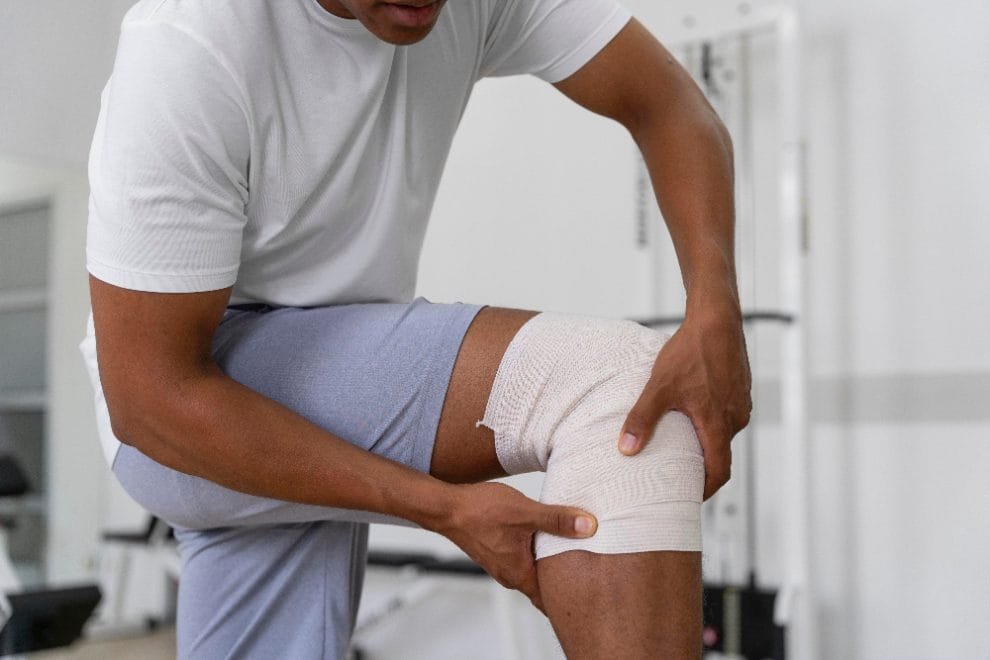
Total knee replacement surgery can transform your quality of life, alleviating chronic pain and restoring mobility. However, recovery plays a crucial role in achieving the best results. This guide walks you through each step of the recovery process, from the hospital stay to regaining independence, offering practical tips for a smooth journey.
What to Expect Immediately After Surgery
The first few hours post-surgery are critical for ensuring a successful recovery. After the procedure, you’ll be moved to a recovery area where medical staff monitor your vitals and ensure the anesthesia wears off safely.
Once stable, you’ll transition to your hospital room. Pain management begins immediately with medication to control discomfort, while ice packs or cold therapy reduce swelling. Early movement is encouraged, and a physical therapist may guide you through simple leg exercises to prevent blood clots and improve circulation.
The First Week After Surgery
The first week is focused on managing pain and initiating physical therapy. Staying active during this period is essential for a faster recovery, even if it’s challenging at first.
- Pain Management:
- Use prescribed medications and over-the-counter pain relievers as directed.
- Elevate your leg and apply ice to minimize swelling.
- Physical Therapy:
- Start with light exercises to regain knee movement.
- A physical therapist will guide you through strengthening routines, focusing on flexibility and balance.
Expect to use a walker or crutches during this time to aid mobility and prevent strain on your knee.
Two to Six Weeks After Surgery
During this period, your mobility and strength should steadily improve. Consistency in following your recovery plan is key to regaining independence and function.
- Increasing Activity Levels:
- Gradually transition from a walker or crutches to a cane or no assistance.
- Begin walking short distances, increasing gradually as your strength improves.
- Physical Therapy Goals:
- Work on achieving a greater range of motion, targeting at least 90 degrees of bend in your knee.
- Focus on strengthening surrounding muscles to support the knee joint.
During this phase, attending outpatient physical therapy sessions can accelerate your progress.
Three to Six Months Post-Surgery
At this stage, most patients experience significant improvements in mobility and pain relief. However, full recovery requires continued effort.
- Advanced Exercises:
- Incorporate low-impact exercises like swimming or cycling to build endurance.
- Practice balance and coordination exercises to prevent falls and improve stability.
- Returning to Daily Activities:
- Resume routine activities such as driving or light housework.
- Avoid high-impact sports or heavy lifting to protect your new knee.
Regular follow-ups with your surgeon will ensure your recovery stays on track, addressing any concerns or complications.
Tips for a Successful Recovery
Recovering from total knee replacement surgery requires dedication and patience. The following tips can help ensure a smoother process:
- Set Realistic Expectations:
- Understand that full recovery may take up to a year.
- Celebrate small milestones, such as walking unassisted or climbing stairs.
- Follow Your Doctor’s Instructions:
- Attend all follow-up appointments.
- Adhere to prescribed physical therapy routines.
- Create a Supportive Environment:
- Arrange for help with daily tasks during the initial weeks.
- Keep your living space free of obstacles to prevent falls.
- Stay Committed to Long-Term Care:
- Maintain a healthy weight to reduce stress on your knee.
- Continue exercising to keep your knee strong and flexible.
By adhering to these tips, you can optimize your recovery and enjoy the full benefits of your new knee.
Common Challenges and How to Overcome Them
Recovery from total knee replacement isn’t without its challenges. Knowing how to address these can make the process less daunting.
- Pain and Stiffness:
- Use prescribed pain relief methods and stay consistent with exercises.
- Massage and warm compresses can help reduce stiffness.
- Swelling:
- Rest and elevate your leg regularly.
- Wear compression stockings to improve circulation.
- Emotional Adjustments:
- Feeling frustrated or discouraged is normal; seek support from loved ones or join a support group.
- Celebrate progress, no matter how small.
If any issue persists or worsens, consult your healthcare provider immediately.
When to Call Your Doctor
While most recoveries go smoothly, it’s important to recognize signs of potential complications. Contact your doctor if you experience:
- Severe pain that doesn’t improve with medication.
- Redness, warmth, or drainage from the incision site.
- Persistent fever above 100°F.
- Difficulty breathing or swelling in the legs, which may indicate a blood clot.
Early intervention can prevent minor issues from becoming serious complications.
Final Thoughts
Total knee replacement surgery is a life-changing procedure that can help you regain mobility and reduce chronic pain. A successful recovery requires commitment to physical therapy, proper pain management, and a supportive environment. With patience and effort, you can look forward to resuming the activities you love with your new knee.
Say Goodbye to Knee Pain Today! 🦵✨
Are you ready to take control of your mobility and live pain-free? Discover the simple, 1-minute-a-day solution that’s transforming lives. Don’t wait—start your journey to stronger, healthier knees now!
👉 Click Below to Get Started!
Leave a Reply
You may also like