Bone-on-Bone Knee Pain: Latest Treatments and Solutions
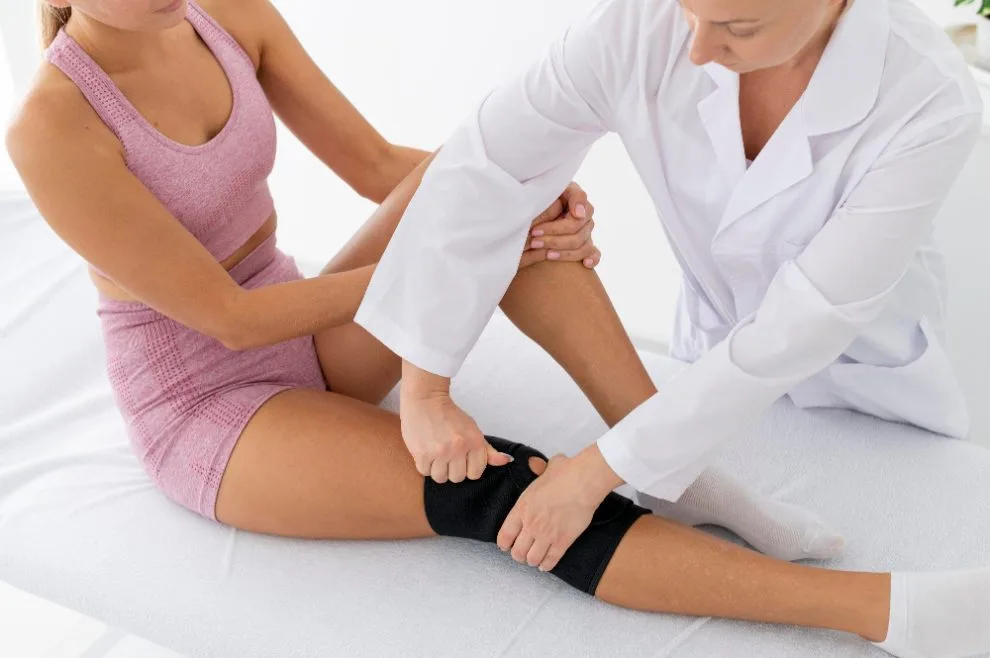
Bone-on-bone knee pain occurs when the protective cartilage in the knee joint wears away, leaving the bones to rub against each other. This condition, commonly caused by osteoarthritis, can lead to severe pain, swelling, and reduced mobility. Fortunately, modern medicine and natural remedies offer various solutions to manage symptoms and improve quality of life. This guide explores the latest treatments and solutions for bone-on-bone knee pain.
Understanding Bone-on-Bone Knee Pain
Bone-on-bone knee pain is the result of cartilage deterioration. Cartilage is the cushion that allows smooth movement in the knee joint, and its loss can lead to significant discomfort. This condition is most commonly associated with osteoarthritis, a degenerative joint disease affecting millions worldwide.
Factors contributing to cartilage loss include age, genetics, previous injuries, and repetitive stress on the knee joint. Without sufficient cushioning, the bones rub together, causing inflammation, pain, and even bone spurs. Identifying the cause and severity of your condition is the first step toward effective treatment.
Non-Surgical Treatments for Bone-on-Bone Knee Pain
Many individuals prefer to explore non-surgical treatments before considering invasive procedures. These options focus on pain relief and improving joint function without the risks associated with surgery.
- Physical Therapy:
- Tailored exercises strengthen the muscles around the knee, reducing stress on the joint.
- Stretching routines improve flexibility and mobility, easing daily movements.
- Medications:
- Over-the-counter pain relievers like acetaminophen or ibuprofen can manage mild symptoms.
- Prescription medications, such as corticosteroids or hyaluronic acid injections, provide more targeted relief.
- Braces and Orthotics:
- Knee braces provide support and redistribute weight away from the affected area.
- Shoe inserts improve alignment, reducing strain on the knees.
Non-surgical treatments are often sufficient for managing mild to moderate cases, but severe conditions may require more advanced interventions.
Minimally Invasive Treatments
Minimally invasive treatments offer a middle ground between conservative approaches and surgery. These options aim to reduce pain and inflammation while preserving as much of the natural joint as possible.
- Viscosupplementation:
- Involves injecting hyaluronic acid into the knee joint to restore lubrication and reduce friction.
- Often recommended for individuals who do not respond to other treatments.
- Platelet-Rich Plasma (PRP) Therapy:
- Uses the patient’s own blood to create a concentrated platelet solution, injected into the knee to promote healing.
- Research shows PRP can reduce pain and improve joint function over time.
- Arthroscopic Procedures:
- A minimally invasive surgery where small instruments are used to clean up damaged cartilage and remove bone spurs.
- Often performed as an outpatient procedure with a shorter recovery time than traditional surgery.
These treatments can provide relief for patients who are not yet ready for more invasive surgeries, such as total knee replacement.
Surgical Options for Bone-on-Bone Knee Pain
When non-surgical and minimally invasive treatments fail to provide relief, surgical intervention may be necessary. Surgery is typically considered for severe cases where daily activities are significantly impaired.
- Partial Knee Replacement:
- Involves replacing only the damaged portion of the knee, preserving healthy tissue and ligaments.
- Recovery is generally faster than with total knee replacement.
- Total Knee Replacement (TKR):
- Replaces the entire knee joint with artificial components, offering long-term pain relief and improved mobility.
- Typically recommended for advanced osteoarthritis or extensive cartilage loss.
- Osteotomy:
- A procedure where the bones are realigned to shift weight away from the damaged area.
- Often used for younger patients to delay the need for knee replacement.
Discussing your options with an orthopedic surgeon is crucial to determining the most suitable treatment for your specific condition.
Lifestyle Changes to Manage Knee Pain
In addition to medical treatments, lifestyle changes can significantly impact knee health and pain management. These strategies can complement other treatments and improve overall well-being.
- Weight Management:
- Excess weight increases pressure on the knee joint, accelerating cartilage wear.
- Losing even 10% of body weight can reduce knee pain and improve mobility.
- Dietary Adjustments:
- Include anti-inflammatory foods like fatty fish, leafy greens, and nuts in your diet.
- Avoid processed foods and sugars, which can worsen inflammation.
- Low-Impact Exercise:
- Activities like swimming, cycling, or yoga strengthen muscles without putting excessive stress on the knees.
- Aim for at least 30 minutes of exercise five days a week.
Making these changes can improve joint health and reduce the progression of bone-on-bone knee pain.
The Role of Alternative Therapies
Alternative therapies can provide additional relief for those seeking non-traditional approaches to knee pain management. While not a replacement for medical treatment, these therapies can complement conventional methods.
- Acupuncture:
- Targets specific points in the body to relieve pain and improve circulation.
- Studies show acupuncture can be effective in managing chronic knee pain.
- Chiropractic Care:
- Focuses on improving alignment and reducing stress on the knee joint.
- May help alleviate pain and improve mobility.
- Herbal Supplements:
- Turmeric, ginger, and Boswellia are known for their anti-inflammatory properties.
- Always consult your doctor before starting new supplements to avoid interactions with medications.
These therapies offer additional options for individuals looking to manage knee pain holistically.
When to Seek Medical Attention
While many treatments can be pursued independently, it’s important to know when to seek professional help. Delaying medical attention can worsen the condition and make recovery more challenging.
Contact a doctor if you experience:
- Persistent or worsening pain despite treatment.
- Swelling, redness, or warmth in the knee, which may indicate infection.
- Difficulty bearing weight or significant loss of mobility.
Early intervention can lead to better outcomes and prevent further joint damage.
Final Thoughts
Bone-on-bone knee pain can be challenging, but advancements in medical treatments and lifestyle strategies offer hope for relief. Whether you choose non-surgical methods, minimally invasive procedures, or surgical interventions, working with a healthcare professional is essential to finding the right solution. By combining medical treatments with healthy habits, you can manage your pain effectively and regain control of your life.
Say Goodbye to Knee Pain Today! 🦵✨
Are you ready to take control of your mobility and live pain-free? Discover the simple, 1-minute-a-day solution that’s transforming lives. Don’t wait—start your journey to stronger, healthier knees now!
👉 Click Below to Get Started!


Leave a Reply
You may also like